
Do you suspect that you or a loved one is currently the victim of elder abuse? You are not alone—elder abuse affects millions of Americans 60 years old or older. In fact, recent studies have found that up to 20% of our senior population has reported some form of elder abuse, with cases rising significantly during and post-pandemic. However, researchers suspect the actual number is higher since many instances have gone and continue to go unreported.
Today, we’re looking at what elder abuse is to help those who suspect abuse pursue action and get the justice they deserve.
What Is Elder Abuse?
Elder abuse is intentional or negligent acts performed on seniors 60+ years of age that result in harm or serious risk of harm. It can occur in the form of physical abuse, emotional or mental abuse, financial abuse, sexual abuse, and overall general neglect.
It’s important to understand what constitutes elder abuse, recognize the signs, and know how and when to respond to ensure the protection of vulnerable seniors.
Types of Elder Abuse
Elder abuse can take several forms, each with unique signs of the abuse:
Physical Abuse
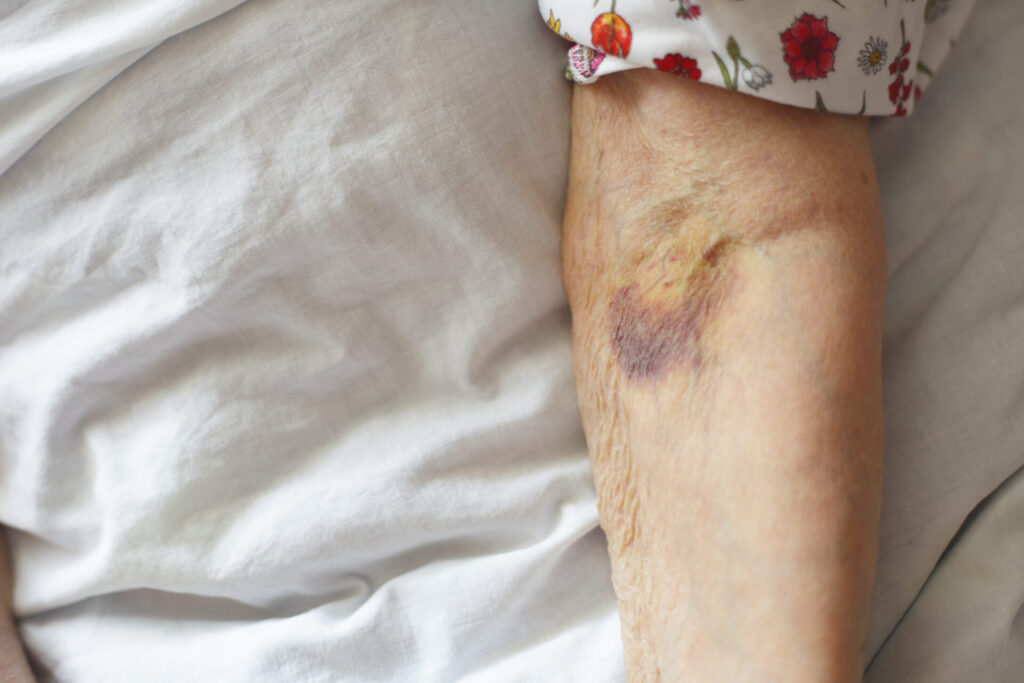 Physical abuse entails inflicting pain or injury on a senior, which can include:
- Hitting
- Slapping
- Improperly restraining
- Handling too roughly
Signs of physical abuse on a senior can include:
- Bruises
- Cuts
- Broken bones
- Sprains
- Odd dislocations on the skin
Emotional or Psychological Abuse
Emotional or psychological abuse is less obvious, as it does not leave physical signs of trauma. However, emotional abuse could entail actions like:
- Verbal assaults
- Threats
- Intimidation
- Isolation
- Humiliation
- Intentional confusion
- Mental manipulation
Signs of emotional or psychological abuse can include:
- Withdrawal from activities they used to enjoy
- Anxiety
- Depression
- Changes in mood or behavior
Financial Abuse
Financial abuse is the illegal or improper use of an elder’s funds, property, or assets. It could entail:
- Unauthorized withdrawals
- Unauthorized transfers
- Forging a signature on a check
- Becoming the power of attorney in bad faith
- Defrauding the elder through scams
- Pressuring the elder to change legal documents
- Stealing valuable items or property
- Overcharging for services
Signs of financial abuse of an elder can include:
- Sudden financial difficulties
- Unexplained bank withdrawals
- Changes to wills or power of attorney
- Missing personal belongings
Sexual Abuse
Sexual abuse of an elder is any and all non-consensual sexual contact. Examples can include:
- Unwelcomed touching or fondling
- Forced nudity
- Sexually explicit photos taken without consent
- Sexual harassment
- Sexual assault
- Rape
- Sexual coercion or manipulation
- Sexual intercourse with a cognitively impaired elder
Signs of sexual abuse can include:
- Unexplained sexually transmitted infections
- Genital bruising
- Torn or stained undergarments
- Significant emotional or behavioral changes
General Neglect
General neglect is the act of failing to fulfill a standard level of care for an elder. This abuse can entail not providing adequate:
- Food
- Water
- Shelter
- Medical care
- Hygiene
Signs of neglect can include:
- Weight loss
- Dehydration
- Bedsores
- Unsanitary living conditions
- Untreated medical conditions
Recognizing Elder Abuse for Yourself or Loved One
Recognizing elder abuse is the first step in preventing it. Common red flags include:
- Sudden changes in behavior or personality
- Isolation from friends or family
- Frequent arguments or tension between the caregiver and the elder
- Poor hygiene or unclean living conditions
- Caregiver’s refusal to allow visitors to see the elder alone
Steps You Can Take if Elder Abuse Is Suspected
If you suspect you’re witnessing elder abuse, it’s vital to take swift and decisive action:
- Ensure Immediate Safety: If the elder is in immediate danger, call 911 immediately.
- Document the Abuse: Record detailed notes, take photos of injuries or living conditions, and document suspicious financial transactions.
- Report the Abuse: Contact Georgia Adult Protective Services (APS) or the local law enforcement authorities in Macon, GA, to report suspected abuse.
- Seek Medical Attention: Arrange for a medical evaluation to document injuries and provide necessary care.
- Consult an Elder Abuse Lawyer: Contact an experienced elder abuse lawyer in Macon, GA, who can provide legal guidance, help secure protective orders, and pursue justice and compensation.
Seek a Trusted Elder Abuse Lawyer in Macon, GA
The elder abuse lawyers at Clark, Smith & Sizemore specialize in safeguarding the rights of older adults and assist families through:
- Legal Representation: Filing lawsuits against perpetrators of abuse or neglect.
- Recovery of Damages: Seeking compensation for medical bills, financial losses, pain, and suffering.
- Protective Orders: Obtaining restraining orders to prevent further abuse.
- Estate and Financial Protection: Safeguarding assets and recovering improperly transferred property or funds.
Protect Your Loved Ones. Call Clark, Smith & Sizemore Today: 478-254-5040
Elder abuse is a grave issue, and acting promptly can make a significant difference. If you suspect elder abuse in Macon, GA, don’t wait. Seek immediate assistance from the attorneys at Clark, Smith & Sizemore for dedicated support and legal expertise. Your timely actions can ensure safety, dignity, and justice for your elderly loved ones.
Call us today for a free consultation: 478-254-5040.