
Caring for seniors in a nursing home comes with the expectation of ensuring safety, upholding the resident’s dignity, and providing quality care. Unfortunately, abuse and neglect can and do occur. At Clark, Smith & Sizemore, we understand the emotional and legal challenges elder abuse creates.
That’s why this article explores the scope of nursing home abuse, reveals key facts, highlights warning signs, and provides actionable prevention tips to help families protect their loved ones.
How Common Is Nursing Home Abuse in the US?
Nursing home abuse is a well-studied issue that organizations like the World Health Organization (WHO), National Institutes of Health (NIH), and Nursing Home Abuse Center have and continue to look into. Just a few stats these organizations have found are:
- Roughly 10% of nursing home residents in the US experience some form of abuse or neglect each year. That percentage increased during the COVID pandemic.
- Only about 1 in 24 cases of elder abuse are actually reported, meaning the issue is likely far more prevalent than we know.
- The most common type of reported abuse is physical abuse, followed by psychological abuse and abuse via neglect.
- Seniors with dementia are the most susceptible to experiencing abuse. In fact, up to 50% of nursing home residents with dementia experience some form of abuse.
- Studies estimate that roughly 64% of nursing home staff surveyed in the US have admitted to witnessing or committing some form of abuse.
Types of Nursing Home Abuse
- Physical abuse, like hitting or restraining, is among the most obvious forms of abuse because it tends to leave physical evidence like bruising or scarring.
- Emotional and psychological abuse, such as isolation or verbal harassment, are suspected to be more prevalent than physical abuse, but these forms are harder to detect or recognize.
- Financial abuse, including theft or misuse of funds, also impacts many residents.
- Neglect, like ignoring hygiene or medical needs, occurs in roughly 12% of reported cases.
- Sexual abuse is a serious concern, as it is reported by about 1.9% of residents, with even lower staff self-reporting.
Recognizing Signs of Nursing Home Abuse
Elder abuse can be hard to detect, especially if there are no physical markings present. As you observe your loved one in a nursing home, be aware of these red flags:
- Physical marks: Keep track of unexplained bruises, seemingly random fractures, burns, or other physical signs that don’t align with the explanations given.
- Emotional changes: Pay attention and take note if your loved one starts exhibiting signs like sudden withdrawal, depression, fearfulness, being unusually quiet, or being afraid to speak.
- Financial irregularities: Pay attention to your loved one’s finances so you can recognize if money or belongings go missing, there are unexplained withdrawals, or there is any unauthorized access to their accounts.
- Neglect symptoms: Neglect can sometimes be hard to detect, but pay attention to signs of poor hygiene, bedsores, untreated medical conditions, or sudden weight loss.
- Behavioral changes: Sometimes a change in your loved one’s behavior can point to abuse. Look out for agitation around certain staff members or your loved one’s refusal to talk about their experiences.
These and other warning signs may overlap or co-occur. If they do, prompt action can make a significant difference and prevent any abuse from occurring.
Elder Abuse Prevention Tips: How to Protect Your Loved One
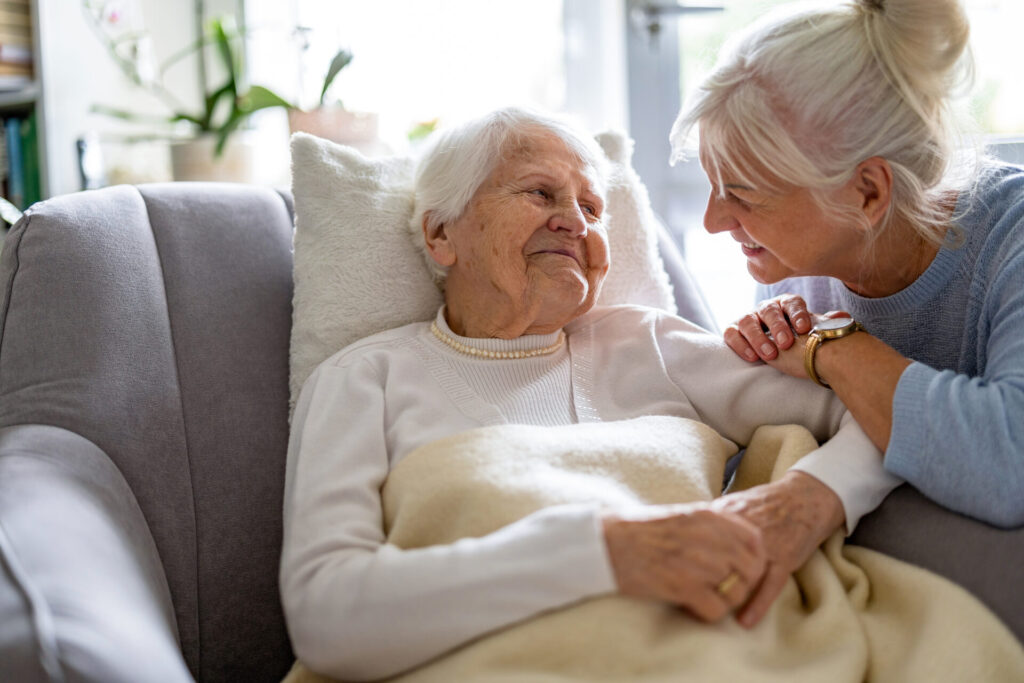 1. Visit Frequently and Unexpectedly
Spontaneous visits allow you to observe real conditions in the nursing home facility and observe your loved one’s state without giving the staff time to cover up signs, prepare your loved one for a visitor, or perform other forms of curation.
2. Educate Yourself and Others About Elder Abuse
Get familiar with elders’ rights, nursing home regulations, and signs of abuse. Share your knowledge with other family members and advocate for your loved one together. Even if you do not suspect abuse from your loved one’s care facility, it’s still wise to be in the know and aware.
3. Advocate for Transparency
Encourage the facility to implement clear anti‑abuse policies, channel communication, and visible reporting systems, if it has not done so already. In fact, when looking for a facility to place your loved one, consider the ones with these things already in place.
4. Check for Proper Staff Training and Oversight
Check to see if the nursing home provides regular training on abuse detection, dementia care, and conflict de-escalation for its staff. If not, request it or seek out a facility that offers such training.
5. Stay Involved in Care Plans
Attend any available meetings, understand your loved one’s care plan, and provide input when asked or prompted. Your insight can improve the personalized care your loved one receives.
Your Loved One’s Care and Safety Matter to Clark, Smith & Sizemore: 478-254-5040
At Clark, Smith & Sizemore, we’re deeply committed to protecting vulnerable seniors. Your loved one’s nursing homes must meet both federal and state standards, and families in Macon and the greater Middle Georgia area deserve peace of mind.
If you ever suspect abuse or neglect, our elder abuse attorneys are here to fight for you. We guide you through reporting, investigation, and, if necessary, legal action to ensure your loved one’s safety and rights are upheld.
For a free consultation about your nursing home abuse case, contact us today: 478-254-5040.
Related Articles: